

Join us in the fight against ALS today!


Current Donations: $27,061 * $6.44 per Mile *
Day 8 Colville, Wa to Ione, WA
July 16, 2026
Indigenous Homeland
Ione lies along the Pend Oreille River within the ancestral homeland of the Kalispel (Pend d'Oreille) People, whose traditional territory extends across present-day northeastern Washington, northern Idaho, western Montana, and southern British Columbia.
The Kalispel have lived along these waterways for thousands of years. Their villages were strategically located near rivers and lakes that provided abundant fish, while surrounding forests yielded deer, elk, berries, roots, and medicinal plants. The Pend Oreille River also served as a major travel corridor, linking Interior Salish communities throughout the Inland Northwest.
Seasonal harvesting of camas, huckleberries, and other native plants was central to Kalispel life. Well-established trade networks connected them with neighboring Ktunaxa (Kootenai), Spokane, Coeur d'Alene, Salish, and Blackfeet peoples.
Today, the Kalispel Tribe of Indians maintains its reservation near Usk, Washington, preserving their language, traditions, and stewardship of the Pend Oreille Valley.
Departing Colville at 04:30 to beat the heat and potential forest fire smoke allowed us a slower pace to reach Ione. Lots of deer running through front yards apparently mowing the lawn as the wandered. A short day following lots of climbing. 37 miles and 1709 ft of elevation gain. That put us at our lodging very early. The Manager/Accountant/Room cleaner James, was very happy to help us with an early check in once he heard our mission. He had lost two friends to ALS and was very happy to chip in to help the cause.
The small motel had a really nice deck overlooking Pend Orielle River and became the gathering place for guests. Steve is the charismatic social guy and gets conversations started with ease. The first couple to sit and chat also used the communal barbeque to cook their lunch. As it turns out, the guy was a former us Forest Service employee which gave me common ground with him as my father had a full career in the Forest Service. They learned of the ALS fundraiser and immediately donated $20. As I said, Steve is the social guy, so while Sherpa-Di and I were sleeping, he hung out on the deck meeting more people, hearing tales of 7 tours in Viet Nam and more friends with ALS. 4 hours of sleep made Steve a bit grumpy and slow in the next morning, but he showed up and performed well.
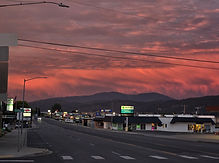
Early Morning Departure
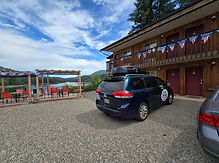
Lodging Secured
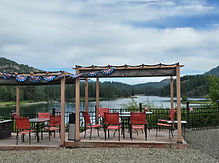
The Meeting Place
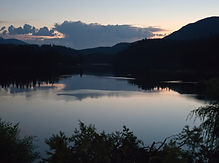
The View
Haiku of the Day
Crow taunts me all day
Trying to tell me something
Translation wanting
Day 9 Ione, WA to Sandpoint, ID
July 17, 2026
Indigenous Homeland
Sandpoint and beautiful Lake Pend Oreille lie within the ancestral homeland of the Kalispel (Pend d'Oreille) People.
The immense lake, surrounding wetlands, and mountain forests created one of the richest ecological regions in the Inland Northwest. Fish, waterfowl, large game, berries, and native plants sustained communities through every season.
French fur traders later gave the people the name Pend d'Oreille, meaning "ear pendant," but the people themselves have always maintained their own cultural identity and traditions.
The lake and river system formed an important crossroads connecting Interior Salish peoples with the Ktunaxa to the east and the Coeur d'Alene to the south.
Today, the Kalispel continue to maintain deep cultural connections to this landscape despite dramatic changes brought by settlement, railroads, and development.
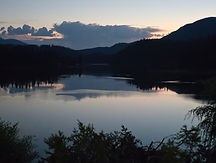
Early Morning Departure
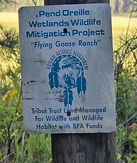
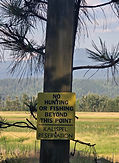
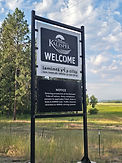
Tribal Territories
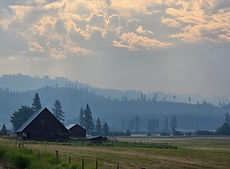
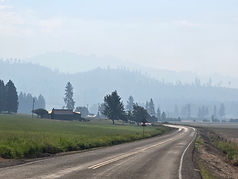
Our first encounter with thick smoke. Masked up.
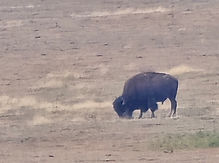
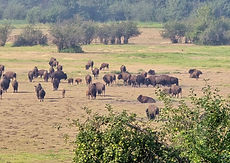
Bison
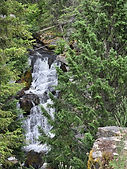
Rainbow Falls
Haiku of the day
Watching Bison Graze
Small glimpse of their mighty past
Fence harness power
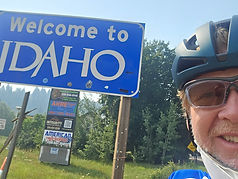
Out of Washington and into Idaho
Day 10 Sandpoint, ID to Libby, MT
July 18, 2026
Day 11 Libby, MT to Eureka, MT
July 19, 2026
Indigenous Homeland:
Eureka remains within the ancestral homeland of the Ktunaxa (Kootenai) People near the Canadian border.
For thousands of years, families moved freely through these mountain valleys following seasonal food sources while maintaining extensive trade and kinship relationships that crossed today's international boundary.
Mountain passes connected communities from the Columbia Basin to the northern plains, making this region an important crossroads of commerce and culture.
The creation of the U.S.–Canada border divided traditional Ktunaxa territory, but it did not erase the enduring cultural connections among communities on both sides.
Day 12 Eureka, MT to Whitefish, MT
July 20, 2026
Indigenous Homeland:
Whitefish occupies a meeting place of several Indigenous homelands, including those of the Ktunaxa (Kootenai), Bitterroot Salish, and Pend d'Oreille peoples.
The Flathead Valley has long served as a gathering place where forests, lakes, rivers, and mountain passes created abundant opportunities for fishing, hunting, trade, and seasonal travel.
The surrounding mountains were never viewed as obstacles but as well-known travel routes connecting communities across western Montana and the Columbia Basin.
Many descendants today are members of the Confederated Salish and Kootenai Tribes, whose reservation lies to the south.
Haiku of the day
Day 13 & 14 Whitefish, MT to West Glacier, MT
July 21, 2026
Indigenous Homeland:
West Glacier lies where several Indigenous homelands converge, particularly those of the Blackfeet (Niitsitapi), Ktunaxa (Kootenai), Bitterroot Salish, and Pend d'Oreille peoples.
For these nations, Glacier's mountains were places of ceremony, vision quests, hunting, gathering, and travel. Trails crossed the Continental Divide long before modern roads, linking communities on both sides of the Rockies.
To the Blackfeet, the eastern front of these mountains is known as the Backbone of the World, a place woven into creation stories, spirituality, and cultural identity. Many sacred places within and around Glacier National Park remain deeply significant today.
The establishment of Glacier National Park in 1910 protected the landscape's natural beauty but also transformed access to lands that had long been integral to Indigenous life. Today, tribal nations continue to collaborate with the National Park Service to preserve both the ecological and cultural heritage of this remarkable region.
Haiku of the day